
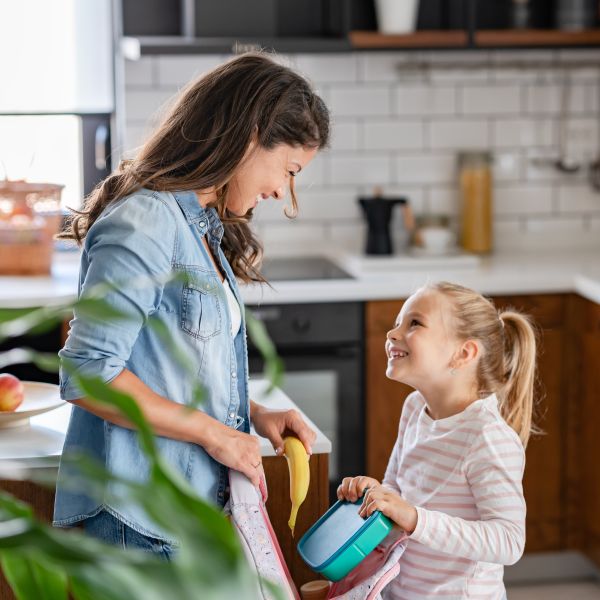
With school returning, many parents are once again staring into the fridge each morning wondering, “What on earth am I putting in the lunchbox today?” Between busy mornings, breakfast, school drop-offs, and getting everyone out the door on time, it’s easy to see why pre-packaged snacks often become the go-to. And honestly? You’re not alone.
We all know that a healthy lunchbox filled with nutritious foods helps fuel growing bodies and busy brains, supporting focus, concentration, and energy throughout the school day. Social media is overflowing with beautiful, creative lunchbox ideas, and while they’re inspiring, they can also be time-consuming and, at times, completely unrealistic for everyday life. Cue the doom scrolling… and still no plan.
Coming up with fresh, healthy ideas that kids will actually eat (especially when you’re tired at the end of the day or rushed in the morning) is hard. That’s where I come in. I’m Sam Paton, Paediatric Dietitian at Hunter Primary Care, and below are my tried-and-tested tips to help make lunchboxes for primary school–aged children simpler, more nutritious, and far less stressful.
1. Start With the Right Equipment
Children are visual eaters, if food looks appealing, they’re generally more likely to eat it. So tip number one starts with the lunchbox itself.
There are plenty of colourful, insulated lunchboxes and lunch bags available at different price points. Set a budget, then let your child choose the colour or pattern. Giving them that small sense of ownership can go a long way.
Next, invest in a few containers of different shapes and sizes. This makes it easier to pack a variety of foods without everything getting squashed together, and means you’ll always have a container that fits what you’re packing.
Finally: ice bricks. These are essential, especially during Australian summers. They help keep food fresh, cool, and safe to eat. Many lunchbox brands sell ice bricks designed to fit perfectly - definitely not essential, but they can make packing easier.
Some helpful lunchbox retailers include:
- B.box
- The Somewhere Co
- Montii
- Kmart
2. Pack With School Meal Breaks in Mind
A simple but often overlooked tip is to pack based on how many eating opportunities your child has during the school day. Most schools have recess, lunch, and sometimes a fruit or vegetable (crunch and sip) break.
Using these breaks as a guide helps ensure your child gets the right balance of food, without overpacking or relying on random snacks.
Recess: Keep It Simple and Quick
Recess foods should be easy to eat and quick to finish. Kids want maximum playtime, not fiddly packaging. A good rule of thumb is fruit plus dairy.
Fruit options:
- Whole fruit like apples, mandarins, or bananas
- Chopped fruit in a container if that’s easier
Fresh fruit is generally preferred over dried fruit, as it’s more filling and less concentrated in sugar.
Dairy options:
- Yoghurt
- Cheese slices or cubes
- Milk (freezing it overnight can also help keep the lunchbox cool)
Simple really is best here. The less effort it takes to eat, the more likely it is to be eaten.
Crunch and Sip (Fruit Break)
If your child’s school includes a crunch and sip break, this is a great opportunity to boost fruit and vegetable intake.
Easy ideas include:
- Chopped fruit
- Veggie sticks like carrot, cucumber, or capsicum
This break is also about hydration, so water is the focus – no need to overthink it.
Lunch: Build Around Wholegrains
For lunch, start with a wholegrain base, such as:
- Sandwiches
- Wraps
- Rolls
- Crackers
Then add:
- Protein: egg, cheese, chicken, turkey, tuna, or salmon
- Vegetables: lettuce, grated carrot, tomato, baby spinach, cucumber
These combinations help keep kids full and energised for the afternoon.
To round out the lunchbox, you can include one or two extra snacks. Aim for options around 100 calories, such as:
- Plain popcorn
- Snack bars
- Homemade items like banana bread or fruit muffins
Keep it Simple
You don’t need to reinvent the wheel every day. Rotate a small selection of go-to lunchbox combinations and swap out one item at a time – different fruit, a new veggie, or a different protein filling. This keeps things familiar for kids while still adding variety.
Remember: a “good” lunchbox doesn’t have to be perfect or Pinterest-worthy. It just needs to be practical, balanced, and realistic for your family.
You’re doing better than you think.
Written by Sam Paton, Accredited Practising Dietitian | Paediatric Dietitian